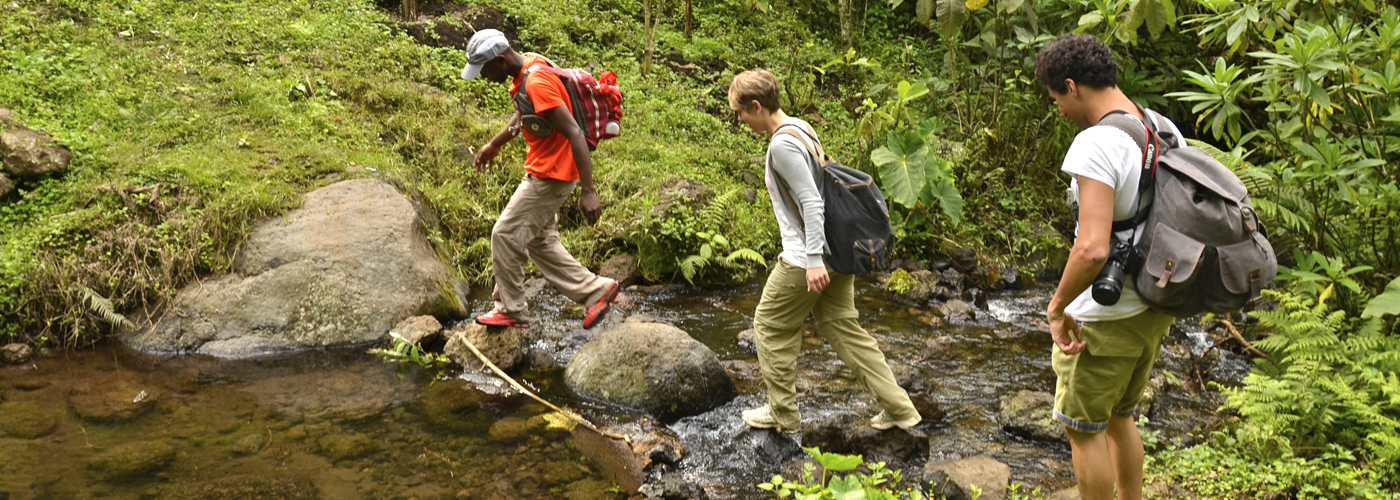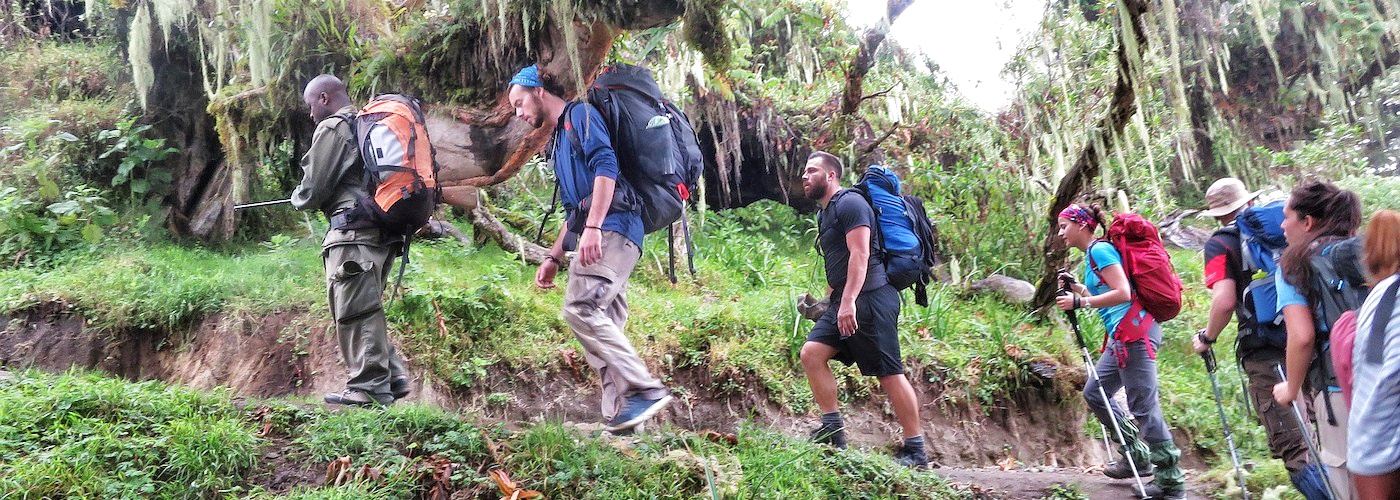
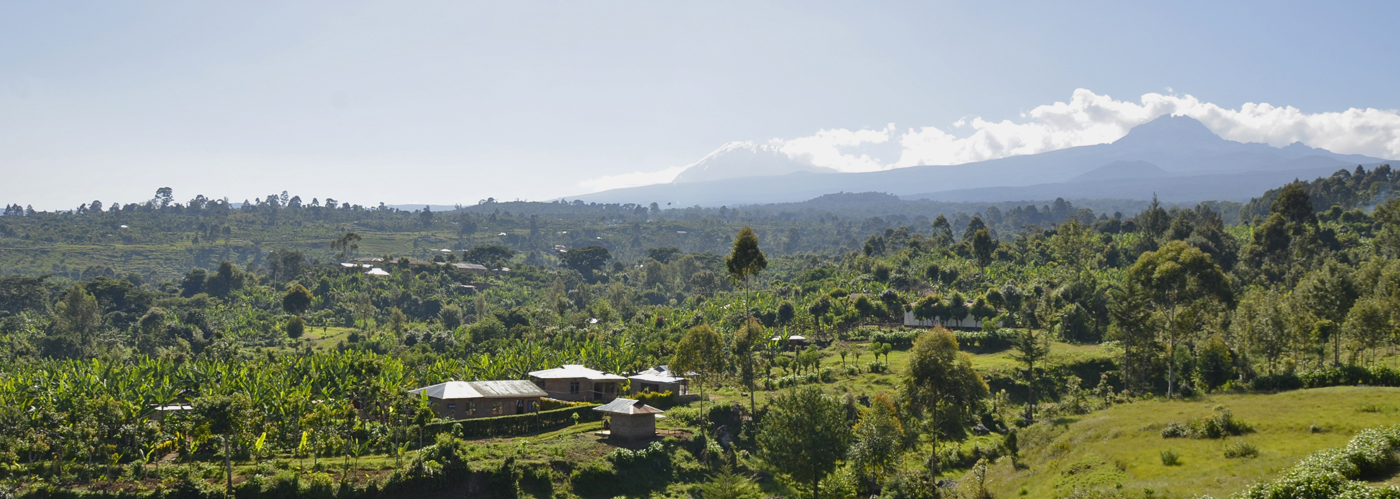
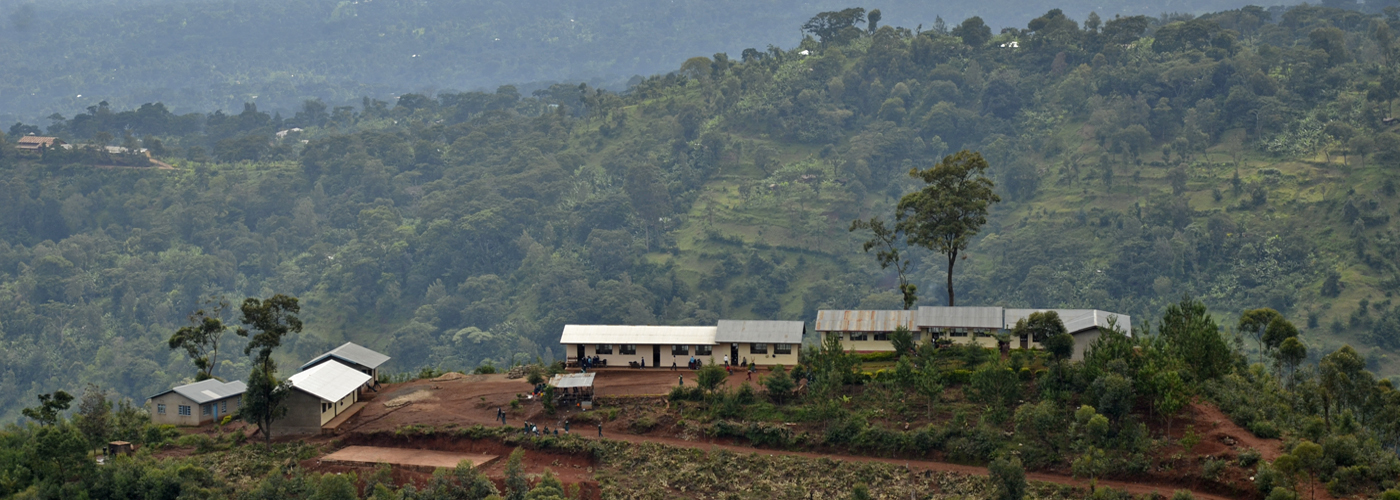
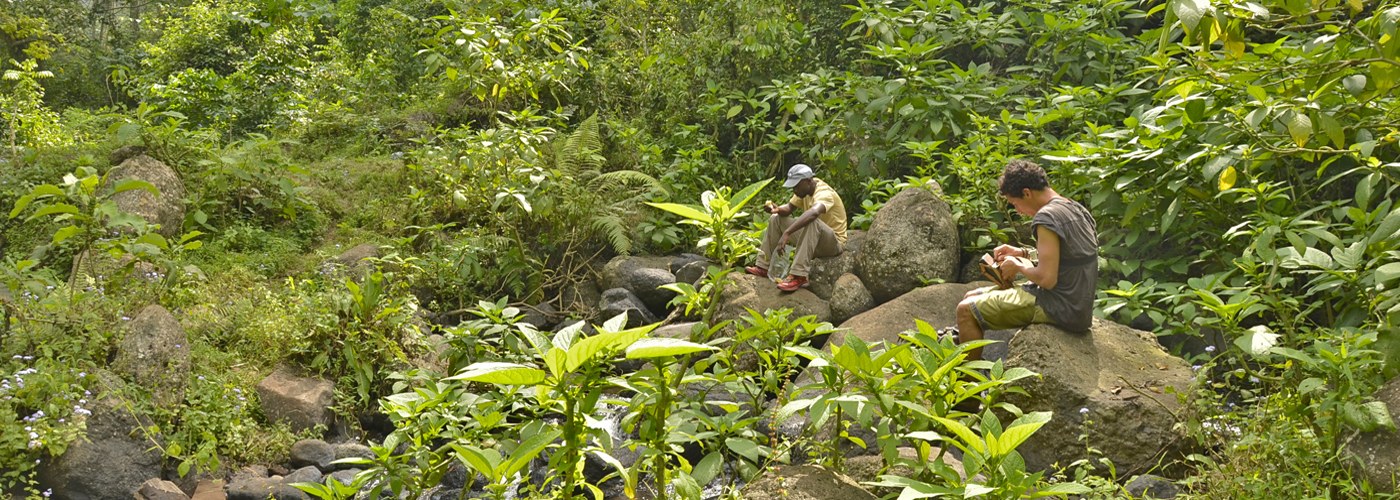
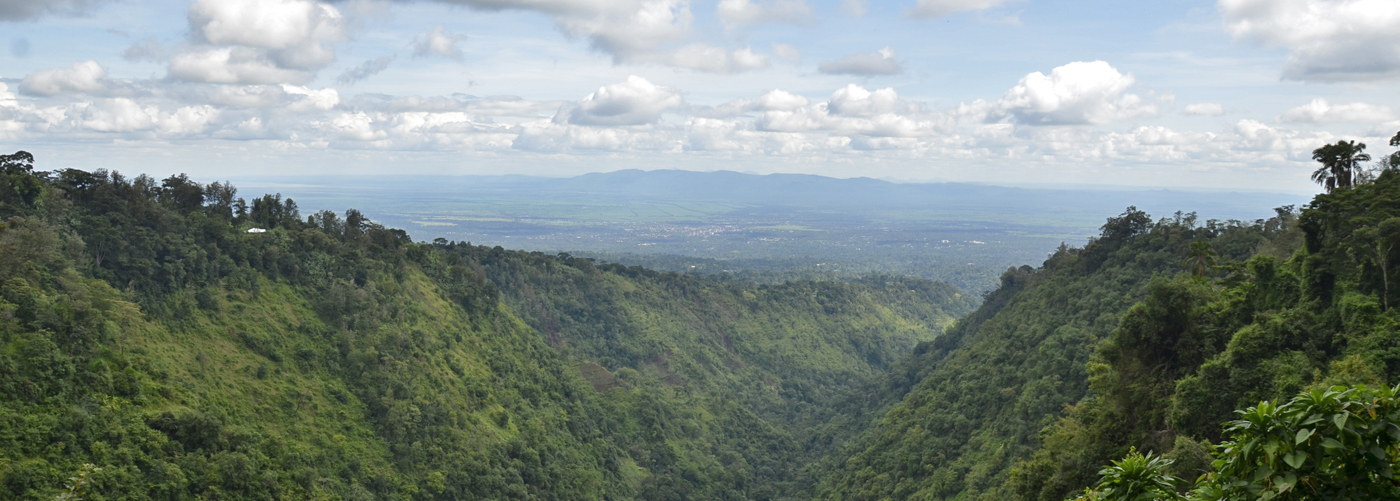
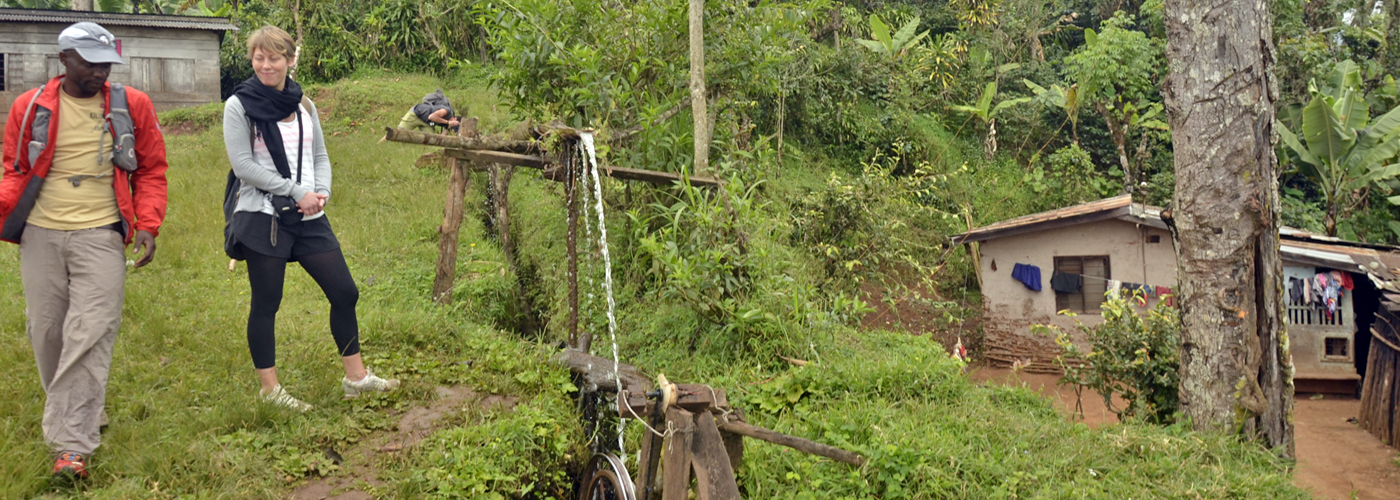
Offering a rich cultural experience, the foothills walks are very different hiking than ascending Kilimanjaro. Still, with steep sections and stream crossings, the foothills can be quite challenging. Hiking fitness is required.
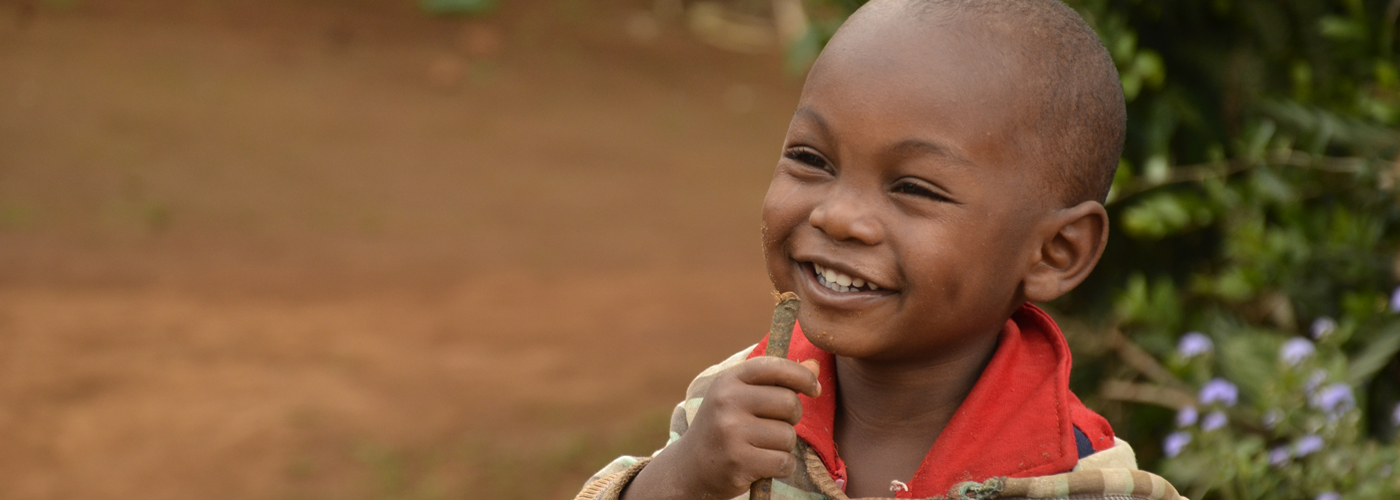
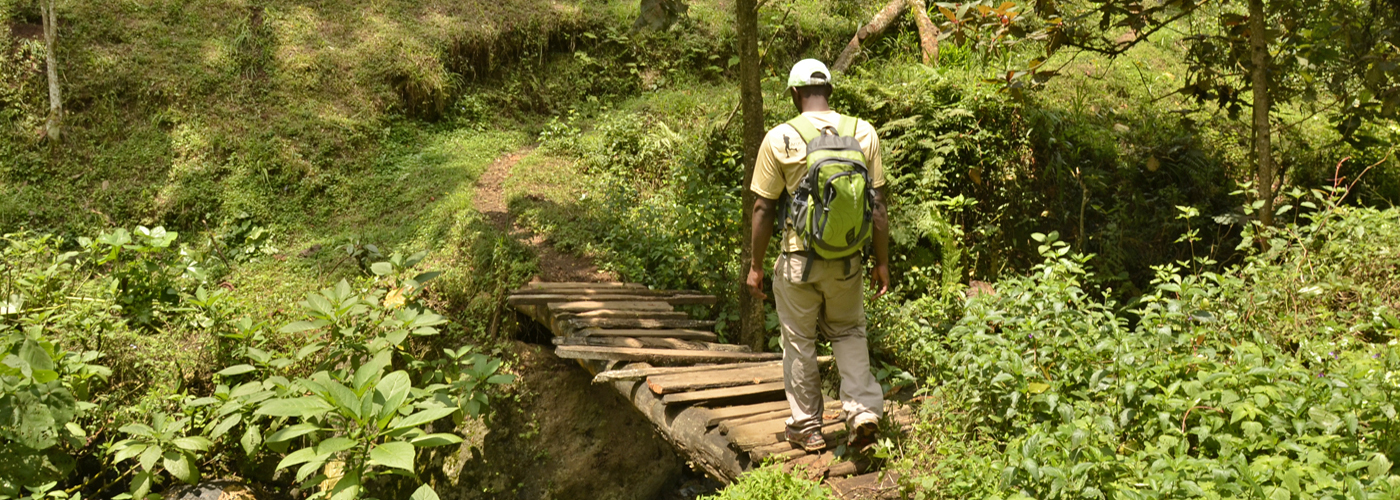
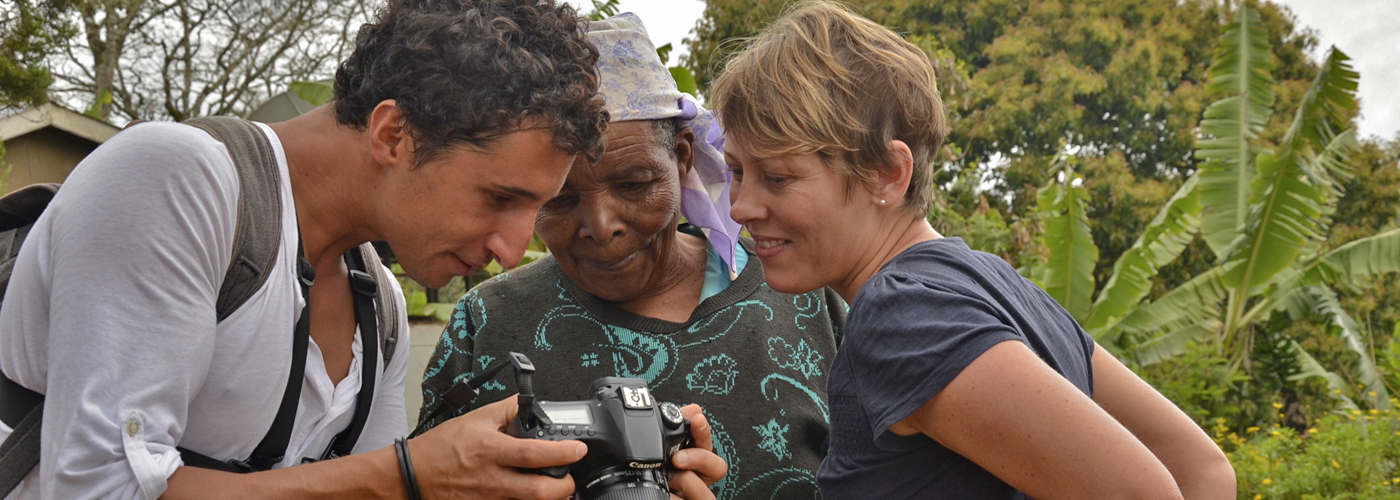
Following local footpaths used to access farm fields, forests, and to cross from one ridge to another, you discover a part of Tanzania few tourists ever see. All walks are led by our qualified Chagga mountain guides, who also act as your cultural interpreters.


Kilimanjaro Foothills Walks FAQ
Planning a Kilimanjaro foothills walking adventure? These frequently asked questions help you understand SENE’s cultural hiking routes, Chagga village trails, fitness requirements, camping style, landscapes and how to choose the right eco-adventure in Tanzania.
What are the Kilimanjaro Foothills Walks?
The Kilimanjaro Foothills Walks are guided eco-adventure hikes through Chagga villages, forests, farms, ridges and valleys on the lower slopes of Mount Kilimanjaro. They are very different from climbing to the summit, offering cultural immersion, natural beauty and local footpaths used by communities for generations.
How difficult are the Kilimanjaro foothills hikes?
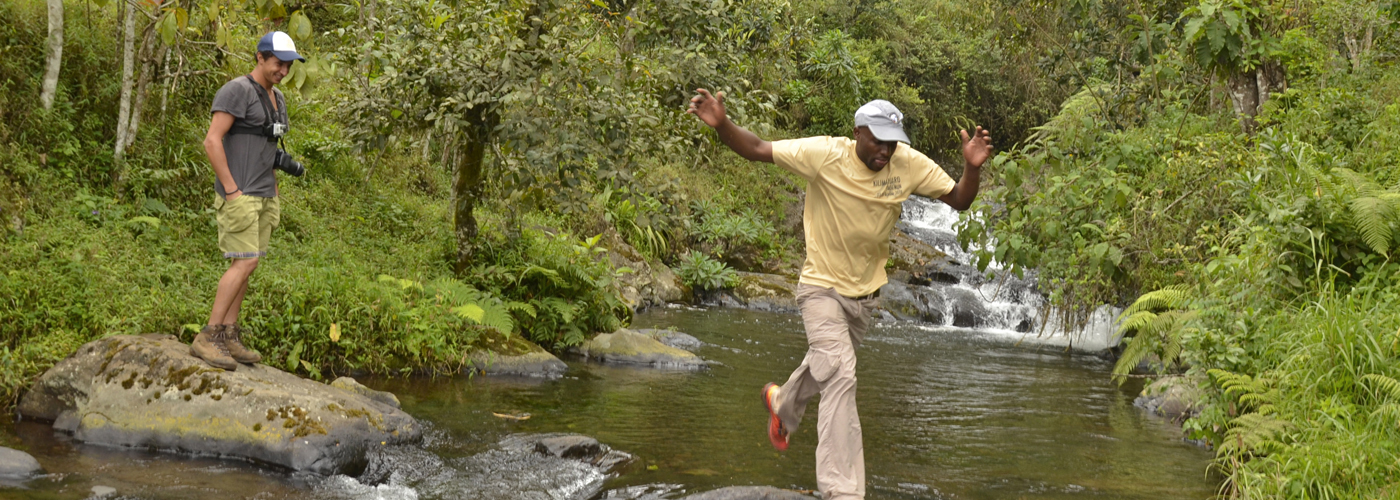
The walks are rewarding but physically challenging. Trails can include steep climbs, slippery sections, stream crossings, ridges and valleys, so hiking fitness is important. Your Chagga mountain guide sets a steady pace, but guests should be prepared for active days, warm hiking conditions and varied mountain terrain.
Which Kilimanjaro foothills itinerary is best for a short adventure?
For travelers with limited time, the 4-Day Adventure Trek is a strong choice. It gives enough walking days to enter the heart of Chagga village life, follow forest and farm trails, see waterfalls and experience Kilimanjaro’s lower slopes without committing to a longer expedition.
Can I do a longer and more remote foothills walk?
Yes. Travelers who want deeper cultural exploration and more demanding hiking can choose Far Far Off the Beaten Path. This longer route follows ancient trails between national park forest and local villages, passing coffee farms, banana trees, rivers, waterfalls and remote Chagga communities.
What makes these walks a cultural experience?
The Kilimanjaro foothills walks pass through living landscapes, not staged tourist routes. You hike on local footpaths between farms, forests and villages, guided by qualified Chagga mountain guides who also act as cultural interpreters. This creates direct insight into Kilimanjaro communities, agriculture, traditions and everyday rural life.
Where do guests sleep during the foothills walks?
Depending on the itinerary, overnights may include SENE’s Mbahe Farm Cottages, local lodges or comfortable camp setups with spacious walk-in tents. Camp meals are locally inspired and prepared by experienced mountain cooks, giving the journey a relaxed expedition feeling while still staying close to local communities.
Can I combine the Kilimanjaro foothills with a safari?
Yes. Walks on the Wild Side combines a Kilimanjaro foothills walking circuit with safari landscapes in northern Tanzania. It is ideal for hikers who want both cultural trails among the Chagga and wildlife experiences around Lake Manyara, Ngorongoro Crater and the broader safari circuit.
Can I combine the foothills walk with Mount Meru?
Yes. Trails of Two Mountains is designed for avid hikers who want a varied trail experience. It combines a multi-day cultural walk through the Kilimanjaro foothills with the challenge of climbing Mount Meru, Tanzania’s second-highest mountain, for a more complete mountain adventure.
What should I pack for a Kilimanjaro foothills walk?
Good hiking shoes or boots, moisture-wicking clothing, rain protection, sun protection, a daypack and trekking poles are highly recommended. Trails can be warm, muddy, steep or slippery, especially after rain. Packing should focus on comfort, balance and practical walking gear rather than technical summit equipment.
Who are the Kilimanjaro Foothills Walks best for?
These eco-adventures are best for active travelers who want authentic Tanzania beyond vehicle-based tourism or summit-focused climbs. They suit hikers interested in culture, rural life, forests, waterfalls, farms and mountain landscapes. SENE can help match your fitness, time and travel goals with the right foothills itinerary.