Meru is the second-highest mountain in Tanzania at 14,980′ / 4566m. Located 70 kilometers west of Mount Kilimanjaro, it stands inside Arusha National Park.
For those seeking a shorter and less busy alternative to Kilimanjaro or in preparation for a Kilimanjaro ascent, we recommend a climb to the summit of Mount Meru. It deserves respect as a formidable peak – no less stunning than its more famous peer, and offers a challenging and highly satisfying 3- or 4-day climb.
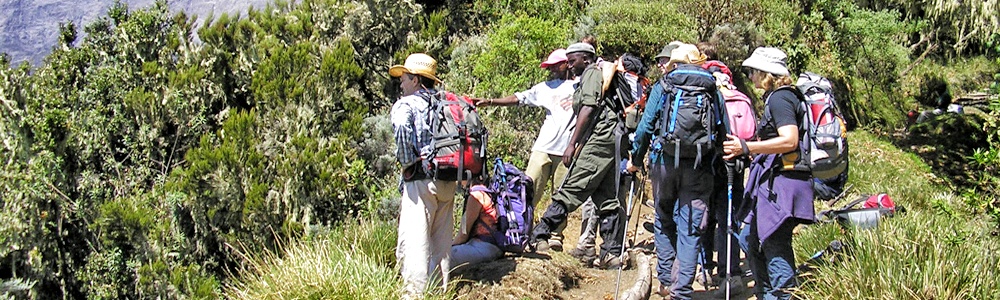
The forest on the lower slopes of Meru hosts diverse wildlife, including dik dik, baboon, giraffe, nearly 400 species of birds, and more. For safety, a park ranger accompanies all climb teams at the lower elevations
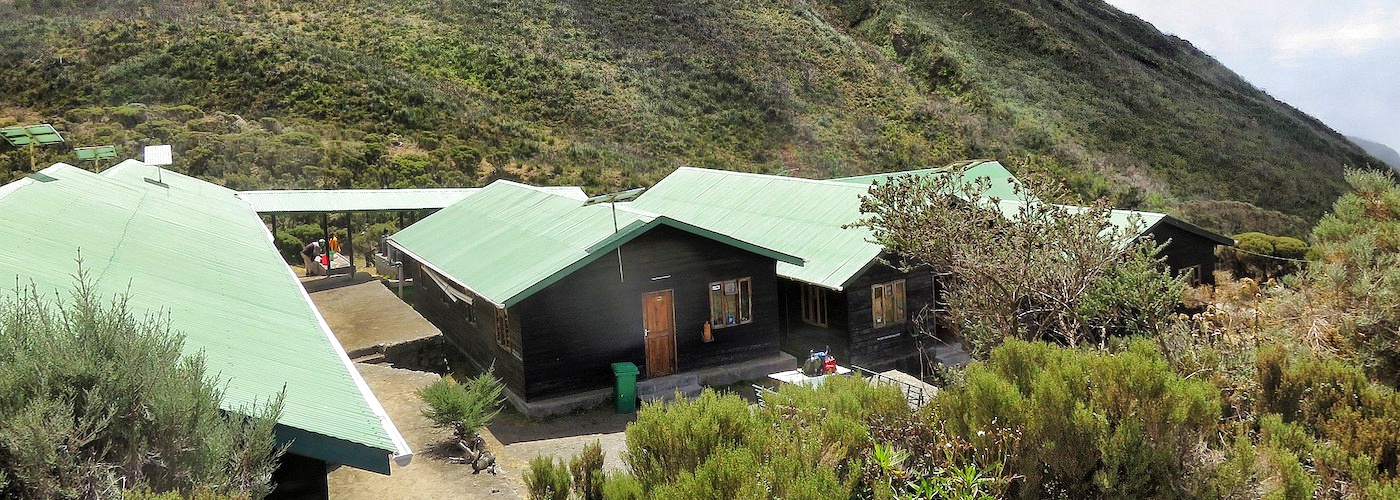
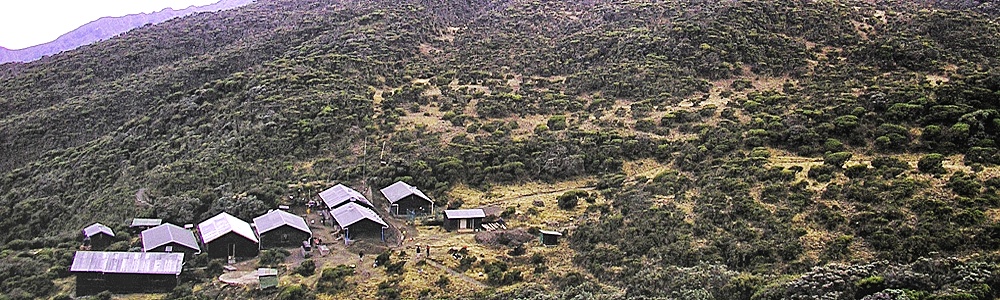
On Meru all hikers sleep in huts located along the trail. The final ascent starts at around midnight in order to reach the summit at sunrise and where one can admire views as far as Kenya.
Mount Meru Climb FAQ
Planning to climb Mount Meru in Tanzania? These frequently asked questions help you understand the 3-day and 4-day Meru climb options, summit preparation, hiking conditions, hut accommodation, wildlife, safety and how to use SENE’s climb resources before your trek.
How difficult is it to climb Mount Meru?
Mount Meru is a challenging but rewarding trek and should not be seen as an easy warm-up hike. The climb involves steep trails, altitude, long walking days and a demanding summit night. SENE’s climb resources help guests prepare with training guidance, packing advice, health information and practical expectations for hiking days in Tanzania.
How high is Mount Meru?
Mount Meru is Tanzania’s second-highest mountain at 14,980 feet / 4,566 meters. It stands about 70 kilometers west of Mount Kilimanjaro inside Arusha National Park. The climb offers dramatic volcanic scenery, forest trails, crater views and a true high-altitude summit experience in a shorter itinerary than Kilimanjaro.
Is Mount Meru good preparation for Kilimanjaro?
Yes. Mount Meru is an excellent preparation climb for Kilimanjaro because it introduces multi-day trekking, altitude, early summit starts and mountain pacing. It helps climbers test gear, build confidence and understand how their body reacts at elevation before attempting Kilimanjaro’s higher summit, Uhuru Peak.
Should I choose the 3-day or 4-day Mount Meru climb?
The 3-day Mount Meru climb is shorter but has a very long final day because you summit and descend completely on day three. The 4-day option also summits on day three but adds an extra descent day, creating a more relaxed pace with more time to enjoy the forest, wildlife and recovery after the summit effort.
Where do climbers sleep on Mount Meru?
Unlike Kilimanjaro camping routes, Mount Meru climbers sleep in huts located along the trail. This makes the trek appealing for travelers who prefer fixed mountain accommodation rather than tents. You still need warm clothing, a sleeping bag or liner depending on arrangements, and the right personal gear for cold nights and early starts.
What is summit night like on Mount Meru?
The final ascent on Mount Meru usually begins around midnight so climbers can reach the summit at sunrise. This is often the toughest part of the trek, with cold temperatures, darkness, altitude and steep terrain. Good layering, a reliable headlamp, steady pacing and guide support are essential for a safe, memorable summit experience.
Do I need technical climbing experience for Mount Meru?
Most fit hikers do not need technical mountaineering experience for Mount Meru, but the climb is physically demanding and includes exposed sections, steep ascents and high-altitude trekking. You should be comfortable walking for several hours, using trekking poles if needed and following guide instructions carefully throughout the route.
What wildlife can I see on Mount Meru?
Mount Meru is located in Arusha National Park, where lower forest slopes can include wildlife such as giraffe, baboon, dik dik and many bird species. Because wildlife may be present at lower elevations, a park ranger accompanies climb teams for safety, adding a unique safari-like element to the beginning of the trek.
How should I train for Mount Meru?
Training for Mount Meru should focus on endurance, leg strength and hiking comfort over multiple days. Long walks, hill training, stairs, cardio sessions and practice hikes with a daypack are useful. SENE’s climb resources for training, hiking days and health preparation are also helpful for Meru, especially if you plan Kilimanjaro afterward.
Can I combine Mount Meru with a Tanzania safari?
Yes. Mount Meru is ideal to combine with a northern Tanzania safari because it is located in Arusha National Park and close to major safari routes. Many travelers add Serengeti, Ngorongoro Crater, Tarangire or Lake Manyara after the climb, creating a journey with trekking, wildlife, landscapes and cultural discovery.
